
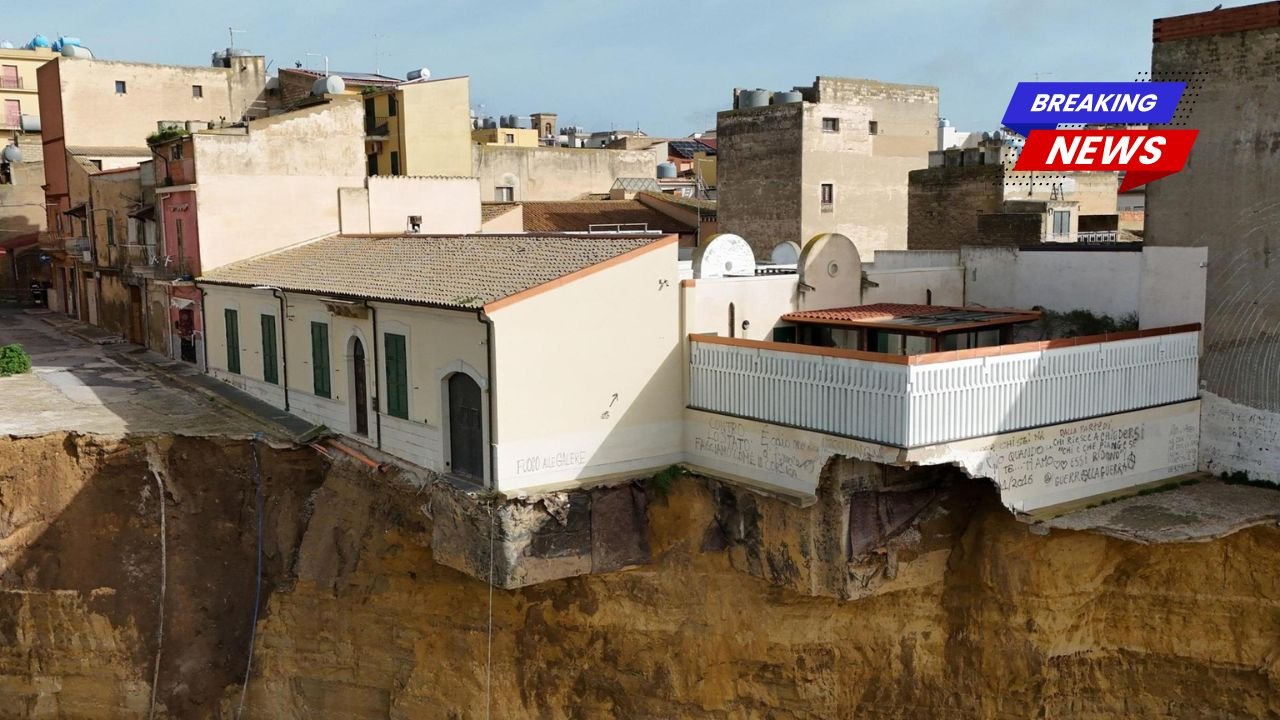
High above a rocky Sicilian landscape, a dramatic rescue mission unfolded around a library suspended over a precipice. Nearly 400 rare books—some centuries old—were carefully removed from a building perched dangerously close to a cliff edge. The operation, led by local authorities and cultural heritage experts, aimed to safeguard priceless manuscripts and printed volumes that form part of Sicily’s historical identity.
This extraordinary story of preservation highlights the urgent importance of protecting rare books in Sicily, especially in regions exposed to geological risk. The rescue effort not only prevented potential cultural loss but also showcased how collaboration and planning can preserve fragile heritage for future generations.
Why the Library Was at Risk
A Building on the Edge
The library, located in a historic structure overlooking a steep drop, had long been admired for its scenic setting. However, recent geological assessments revealed signs of structural instability and erosion. Cracks in the walls and shifting foundations raised concerns that the building could become unsafe.
Sicily is known for its seismic activity and varied terrain. Over time, natural forces such as heavy rainfall, soil erosion, and minor tremors weakened the cliffside. Experts warned that without intervention, both the building and its rare collection could face serious damage.
The Cultural Value of the Collection
The 400 volumes stored inside the library were far from ordinary books. Many included:
• Early printed editions from the 17th and 18th centuries
• Religious manuscripts with handwritten annotations
• Local historical records documenting Sicilian communities
• Rare literary works preserved in limited copies
These books represent a significant part of Sicilian cultural heritage preservation efforts. Losing them would mean erasing valuable chapters of regional history.
The Rescue Operation Explained
Planning the Salvage
Authorities quickly assembled a team of archivists, restorers, engineers, and municipal officials. The primary objective was clear: secure and relocate the rare books safely without causing damage.
Before any removal began, specialists assessed environmental conditions such as humidity, temperature, and structural safety. Protective materials, archival boxes, and climate-controlled containers were prepared.
Step-by-Step Extraction Process
The removal process was carefully organized:
- Cataloguing each book individually
- Documenting its condition
- Wrapping volumes in protective acid-free materials
- Transporting them using reinforced crates
- Relocating them to a secure archival facility
The team worked methodically to ensure that even the most fragile manuscripts were handled with extreme care.
Key Facts About the Rescue
Below is a summary of the most important details surrounding the operation:
| Detail | Information |
|---|---|
| Location | Sicily, Italy |
| Number of Books | Approximately 400 rare volumes |
| Main Risk | Structural instability near cliff edge |
| Age of Books | 17th–19th centuries |
| Rescue Team | Archivists, engineers, heritage officials |
| Outcome | Books safely relocated to secure facility |
This structured approach helped prevent potential losses and guaranteed the preservation of invaluable documents.
Protecting Rare Books in Sicily: A Growing Concern
The Importance of Heritage Preservation
Sicily holds a unique position in Mediterranean history. Over centuries, it has absorbed influences from Greek, Roman, Arab, Norman, and Spanish cultures. Libraries across the island store documents that reflect this layered past.
The recent event highlights the broader issue of how to protect rare books in historic Sicilian buildings exposed to natural hazards. Climate change, seismic shifts, and aging infrastructure increase risks to cultural institutions.
Modern Preservation Strategies
Today, heritage experts use several strategies to safeguard vulnerable collections:
• Digital archiving of manuscripts
• Reinforcement of historical structures
• Controlled environmental storage systems
• Emergency evacuation protocols
The cliffside library incident serves as a case study in proactive cultural management.
Community and Institutional Collaboration
Local Authorities Taking Action
Municipal officials worked closely with cultural heritage departments to coordinate the operation. Their swift decision-making prevented further deterioration and ensured funding for safe relocation.
This collaborative approach demonstrates the effectiveness of emergency response planning for rare book preservation in Sicily.
Role of Archivists and Conservators
Professional conservators played a crucial role. They assessed paper conditions, binding strength, and ink stability before moving each book. Their expertise minimized risk during transportation.
Preservation is not just about moving objects; it is about maintaining their historical integrity.
What Happens Next?
Temporary Storage and Restoration
The books have now been transferred to a secure archival facility equipped with climate control systems. There, specialists will monitor their condition and conduct restoration work where necessary.
Humidity control, temperature regulation, and protective shelving are essential to prevent mold, warping, or ink fading.
Future Plans for the Library
Authorities are evaluating whether the original building can be reinforced or if the collection will remain permanently relocated. Engineers must determine whether stabilizing the cliff is feasible.
The goal is to ensure long-term safety while preserving the library’s cultural identity.
Why This Story Matters
This rescue underscores a powerful message: cultural heritage requires constant vigilance. Rare manuscripts cannot be replaced once destroyed. They carry stories of generations, intellectual traditions, and local identities.
By intervening before disaster struck, Sicily avoided a potentially irreversible cultural loss.
Furthermore, this case highlights the importance of:
• Investing in heritage risk assessments
• Monitoring structural safety of historic buildings
• Implementing evacuation plans for vulnerable collections
The safe relocation of 400 rare books demonstrates how timely action can protect centuries of knowledge.
Long-Term Impact on Cultural Preservation
The incident may inspire broader preservation initiatives across Italy. Regions with historic cliffside structures may conduct new safety inspections.
It also reinforces the growing emphasis on comprehensive rare book preservation strategies in high-risk geological areas of Sicily. Cultural institutions must adapt to environmental realities while maintaining historical authenticity.
Through careful planning and coordinated response, Sicily has preserved an irreplaceable part of its identity.
Conclusion
The dramatic rescue of 400 rare books from a library suspended above a Sicilian precipice stands as a testament to the importance of cultural preservation. Faced with structural instability and geological risk, authorities acted decisively to safeguard centuries-old manuscripts and historical records. The operation was meticulously organized, ensuring each volume was catalogued, protected, and transported safely. This event not only protected priceless heritage but also highlighted the necessity of proactive planning in regions vulnerable to natural hazards. As Sicily continues to value and protect its rich cultural legacy, this successful rescue reminds us that preserving history requires dedication, expertise, and swift action before tragedy strikes.